


 English
 عربى

The Impact of an Infiniti Rear Diffuser
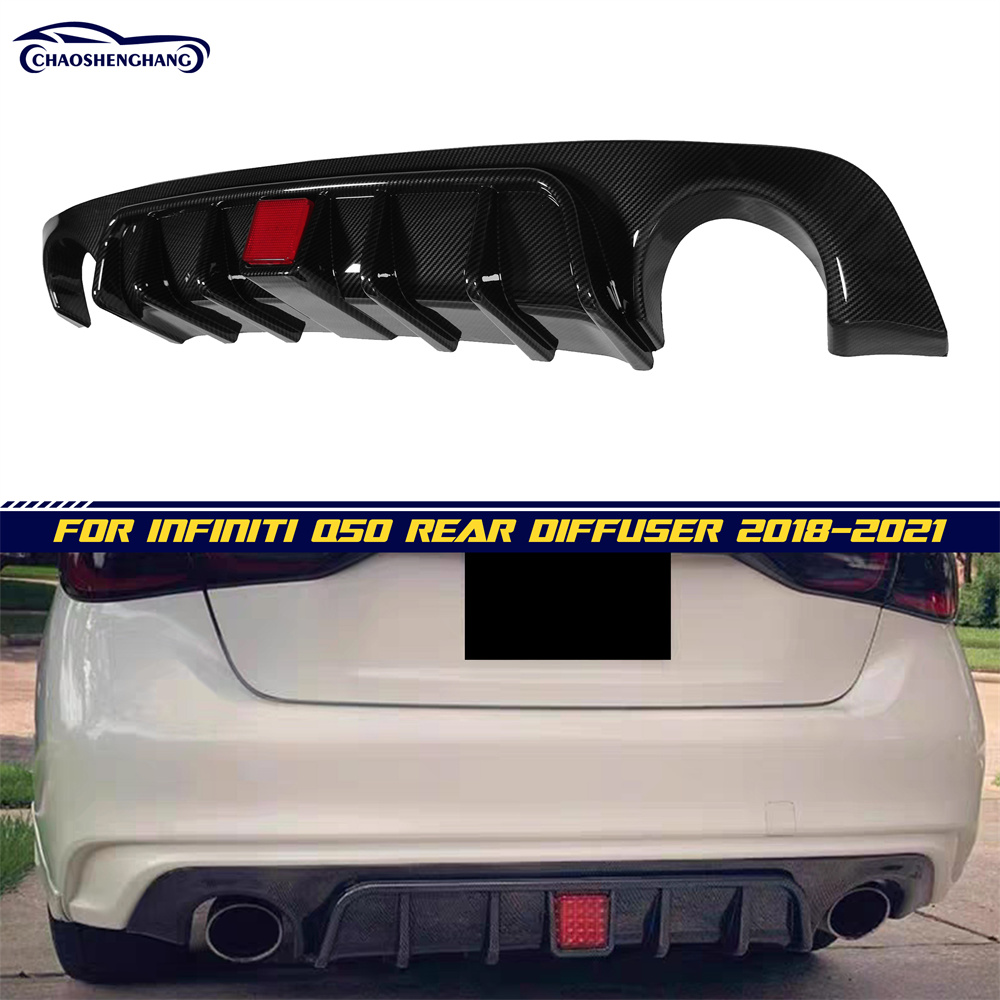
An Infiniti rear diffuser is more than just a cosmetic addition; it is a functional aerodynamic component that manages airflow under the vehicle to reduce drag and increase downforce. For models like the Q50, Q60, and G37, installing a well-designed diffuser can improve high-speed stability and give the rear end a grounded, aggressive stance.
By accelerating the air passing underneath the car, a diffuser creates a low-pressure zone that effectively "sucks" the vehicle onto the road. This results in improved traction during cornering and reduced lift at highway speeds. While the performance gains are subtle for daily driving, the visual transformation is immediate and significant, completing the sporty look initiated by other modifications like exhaust tips or spoilers.
Compatibility Across Infiniti Models
Not every rear diffuser fits every Infiniti. The chassis design, bumper shape, and exhaust configuration vary significantly between model lines and generations. Understanding these differences is crucial before making a purchase.
Infiniti Q50 and Q60
The Q50 sedan and Q60 coupe share similar rear bumper architectures, making many diffusers interchangeable between the two. However, you must distinguish between pre-facelift (2014-2017) and facelift (2018-2022) models, as the bumper contours changed. The Red Sport 400 trims often have different lower valance designs compared to standard Luxe or Pure trims, requiring specific fitment verification.
Infiniti G37 and Older Generations
For the G37 coupe and sedan, aftermarket support is extensive due to the platform's popularity in the tuning community. Diffusers for these models often integrate with dual-exit exhaust systems. Note that the G37x (AWD) may have slight differences in the rear underbody compared to the RWD G37s, affecting how certain universal diffusers mount.
Infiniti Q70 and FX Series
SUVs and crossovers like the Q70 (formerly M37/M56) and FX35/FX50 benefit from diffusers that emphasize width rather than aggressive downforce. These parts are typically wider and flatter, designed to streamline airflow around the larger rear tires and reduce turbulence behind the vehicle, which can slightly improve fuel efficiency at cruising speeds.
Material Selection: Durability vs. Aesthetics
The material of your Infiniti rear diffuser dictates its weight, resistance to impact, and price point. Here is a comparison of the most common materials used in aftermarket automotive body kits:
| Material | Weight | Impact Resistance | Price Range | Best Use Case |
|---|---|---|---|---|
| Carbon Fiber | Very Light | Low (Brittle) | $400-$1,200 | Show Cars & Track |
| Polyurethane | Moderate | High (Flexible) | $150-$350 | Daily Driving |
| ABS Plastic | Light | Moderate | $100-$250 | Budget Builds |
| Fiberglass | Heavy | Low | $200-$400 | Custom Paint |
Polyurethane is highly recommended for street-driven Infinitis because it flexes upon impact with speed bumps or parking curbs rather than cracking. Carbon fiber offers the best aesthetics and weight savings but requires careful driving to avoid costly damage.
Installation Process and Challenges
Installing an Infiniti rear diffuser can range from a simple bolt-on job to a complex modification requiring cutting and drilling. The difficulty depends largely on the design of the diffuser and your specific model year.
Bolt-On vs. Cut-To-Fit
Many modern aftermarket diffusers for the Q50/Q60 are designed to replace the existing lower valance entirely, using factory mounting points. This "bolt-on" approach typically takes 1-2 hours with basic tools. However, some universal or aggressive track-style diffusers require cutting into the original bumper cover, which is irreversible and should only be attempted by experienced DIYers or professionals.
Exhaust Tip Integration
A critical consideration is how the diffuser accommodates your exhaust tips. If you have upgraded to larger aftermarket exhaust tips, ensure the diffuser has cutouts that match their diameter and position. Standard OEM-sized tips usually fit without issue, but measuring tip spacing and diameter before purchase prevents fitment headaches.
Tools Required
- Socket set and ratchet
- Plastic trim removal tools
- Drill with metal/plastic bits (if drilling is required)
- Automotive adhesive or double-sided tape
- Jack and jack stands
Maintenance and Care Tips
To keep your Infiniti rear diffuser looking sharp and functioning correctly, regular maintenance is essential. The rear of the vehicle is exposed to road debris, brake dust, and weather elements.
- Regular Cleaning: Wash the diffuser during every car wash. Use a soft brush to remove packed-in dirt from the fins or channels, as accumulated debris can disrupt airflow efficiency.
- Inspect Mounting Hardware: Check bolts and clips every 6 months. Vibration from driving can loosen fasteners, leading to rattles or potential detachment at high speeds.
- UV Protection: If your diffuser is unpainted carbon fiber or black plastic, apply a UV protectant spray every 3-4 months to prevent fading and brittleness caused by sun exposure.
- Damage Assessment: After hitting a speed bump or curb, inspect for cracks. Small cracks in fiberglass or ABS can be repaired with epoxy, but structural damage in carbon fiber may require replacement.
With proper care, a high-quality rear diffuser can last the lifetime of your vehicle. Proactive maintenance ensures both aesthetic appeal and aerodynamic functionality remain intact over time.
Conclusion: Enhancing Your Infiniti
Adding an Infiniti rear diffuser is a strategic upgrade that balances form and function. It completes the sporty aesthetic of models like the Q50 and Q60 while providing tangible aerodynamic benefits such as reduced drag and increased stability. By choosing the right material for your driving habits—polyurethane for durability or carbon fiber for performance—and ensuring precise fitment, you can enhance your driving experience significantly.
Whether you opt for a subtle OEM-style replacement or an aggressive track-inspired design, the key is to verify compatibility with your specific model year and exhaust setup. With careful installation and regular maintenance, your rear diffuser will remain a standout feature of your Infiniti for years to come.